

Client
Request a Founding Project
We review every request by hand and contact you to understand the problem.
What happens after you send
Request → review → analysis → contract draft → your approval → conditional commitment → open challenge
Verified software delivery
Define what you need and how it will be checked. Selected performers build a demo of the critical part. If one passes, you award the project under the price and rules you saw from the start.
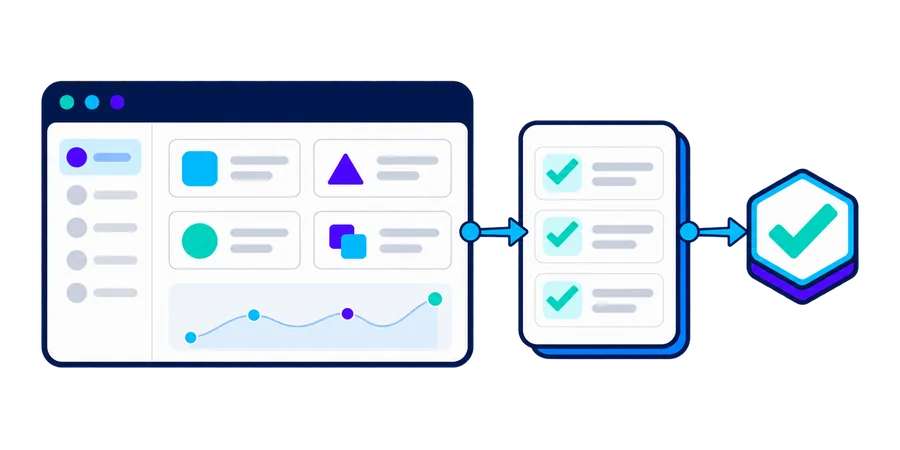
Intent         Process insurance claims without manual entry
Outcome        OUT-04 · Claims imported from the legacy system every night
Capability     CAP-04 · Batch import from the legacy system
Criterion      AC-52 · 10,000 records imported with no loss in < 15 min
Assumption     A-12 · The legacy system has no batch API
Base price     $18,000 USD, as long as the assumptions hold
Award rule     Highest score on the published metrics
Fictional example. Every real project has its own contract.
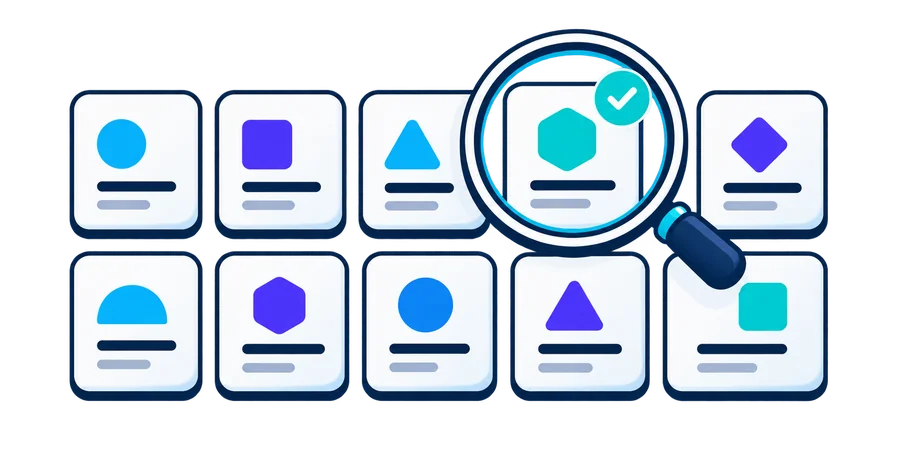
Pilot program
A concierge program for TruOpus's first real projects. It is not an open beta: we review every request by hand.
If no demo passes, you are not obliged to award.
Structured analysis of the problem; what gets built; outcomes and capabilities; acceptance criteria; assumptions and unknowns; baseline price and its formula; re-baseline rules; a demo of the critical part when an eligible performer exists; automated verification of the demos; evidence of the results.
During Founding Projects, the analysis and demo verification are covered by the pilot program.
Before the challenge opens, you accept a conditional commitment in writing. The obligation to award only arises if:
at least one eligible demo passes;
the selected performer agrees to do the work;
the current contract still applies, or you accept any re-baseline needed.
If no demo passes, or no eligible performer accepts, there is no obligation.
How it works
TruOpus turns your problem into outcomes, capabilities, assumptions, price and verifiable criteria.
Every test traces back to your intent: intent → outcome → capability → criterion → test. What is not yet known is declared as an unknown, with its discovery cost separate from the base price.

Selected performers build a demo of the critical part.
The demo is the project's riskiest capability, reduced to a subset of criteria, with synthetic test data and an effort cap. It does not use your data and is not installed in your systems. We actively seek 3–4 demos per project but do not guarantee a number. Each demo is paid under the conditions published before it starts.
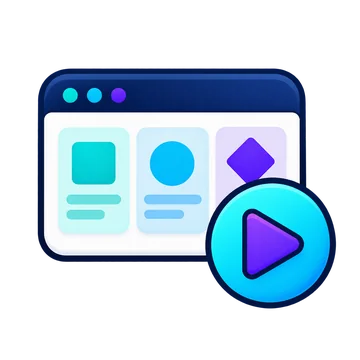
TruOpus runs the tests. If no demo passes, no obligation to award arises.
The result is PASS or FAIL per criterion, with the test reference, verifier version, date and artifact hash. If several demos pass, the rule published before the challenge opened applies: highest score on published metrics, an objective secondary criterion, or your choice among those that passed, if that freedom was declared from the start. The rule is never set after the participants or results are known.

The selected performer does the work capability by capability, and every delivery is verified.
Each capability is paid when it meets its acceptance criteria, not by the hour. Payments are handled by an external provider; TruOpus issues the acceptance signal. After delivery, 30-day stability is measured.

Your process protections
No one —not you, not the performer, not TruOpus— can change the price or what counts as done after seeing the implementation.
The contract includes the baseline price, formula, assumptions and exclusions. The price is not freely renegotiated.
If an assumption is shown to be false, only the affected pending capabilities are recalculated, with the same formula. That work pauses until you accept, reject or reduce scope. Examples: $18,000 → $13,200 (−$4,800) because a batch API existed that was assumed not to; $18,000 → $21,500 (+$3,500) with its cause and evidence. It is never renegotiated because the performer wants more money.
Criteria, measurement method and PASS threshold are defined and published before building. See fair verification.
Each capability is paid when it meets its criteria under the declared conditions. An accepted capability is final: its price no longer goes up or down.
Changing what you want creates a new version of the contract. What was already accepted is not rewritten.
The paid demo is handed over to you. License terms are confirmed in writing in the pilot terms.
You can keep working with the performer outside TruOpus at no charge.
Fair verification
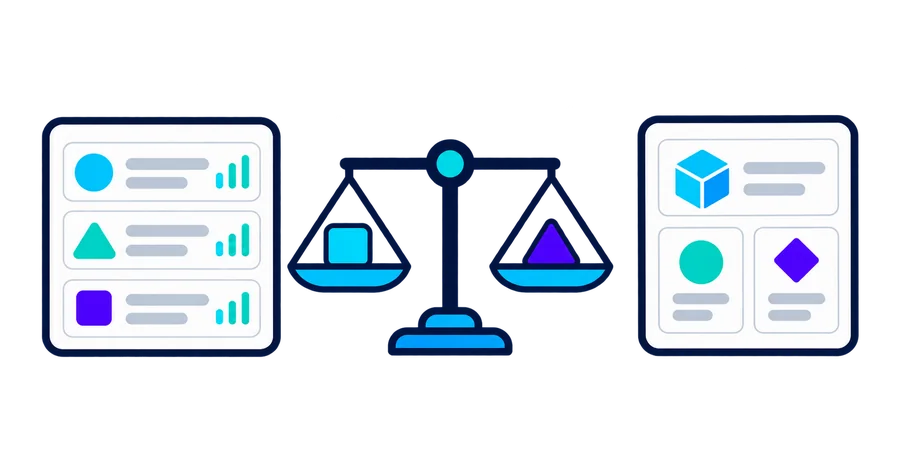
Criteria, measurement method and thresholds are public. The exact validation instances may stay hidden, so no one builds just to pass the test.
The hidden instances come from the same input domain as the public examples. None can introduce a requirement that does not trace to a public criterion.
Before receiving any implementation, TruOpus records the hash of the hidden set, its version, the verifier version and the PASS policy. In a dispute, the set is revealed and checked against that hash.
TruOpus Verified
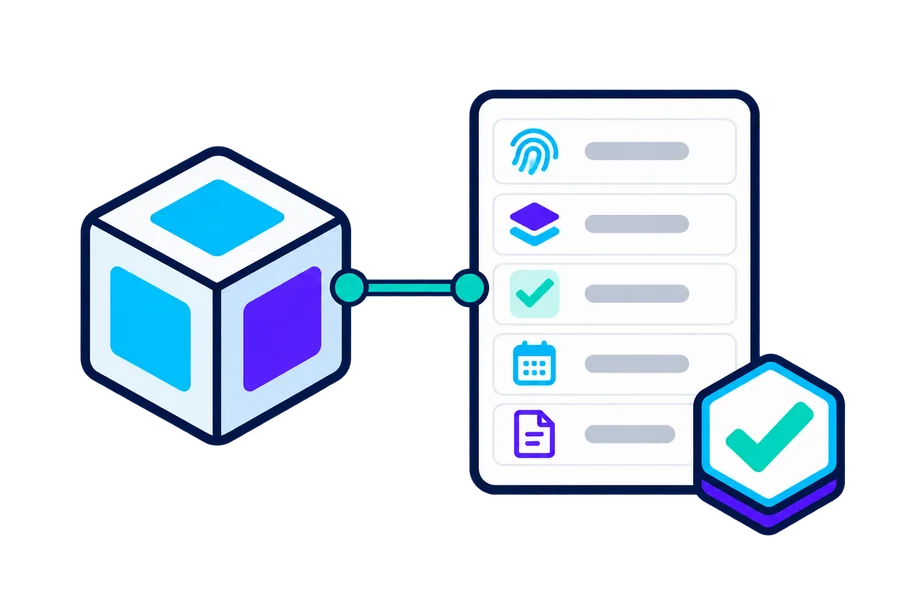
It does not mean “defect-free software”. It means an exact version of the software met a specific verifiable contract, under identified conditions and with recorded evidence.
Formally: artifact version X satisfied contract Y in environment Z at time T, producing evidence E. It is never used as “guaranteed” or “this software works”.
Pilot scope
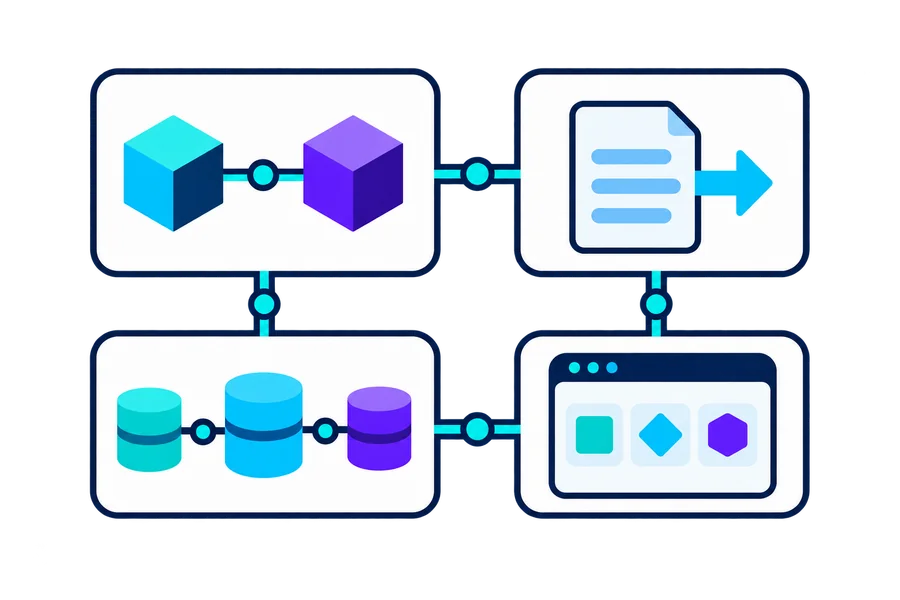
Projects whose result can be checked objectively and repeatably.
Projects whose acceptance depends mostly on subjective taste (UX, games, creative products), giant legacy systems, and requirements that cannot be observed reproducibly.
For performers
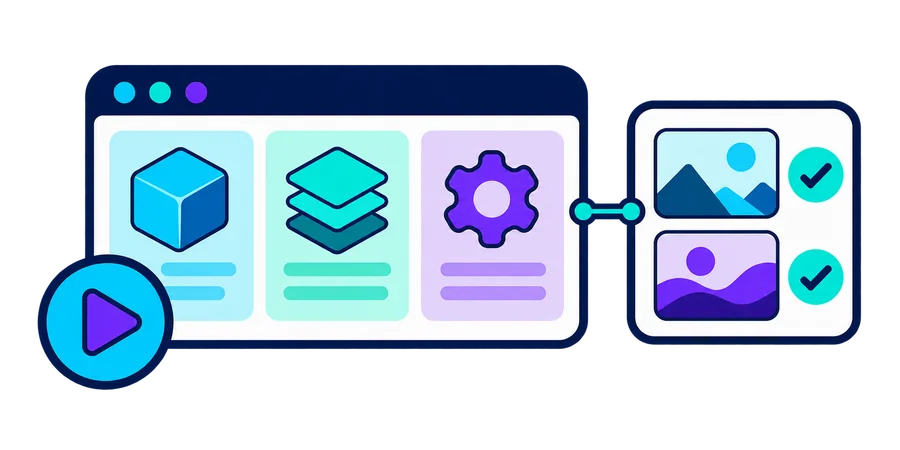
You see the demo price, the base price of the work and the criteria before taking a spot.
If your demo is selected, you can decline the work without penalty.
Relevant scope, demo payment, base price of the work, acceptance criteria, assumptions, public examples, deadline, award rule and re-baseline conditions. You accept the challenge rules, not the future work.
A valid demo does not oblige you to accept the work. If you decline, it goes to the next eligible performer under the published rules.
Individuals, teams, agencies, AI agents, software factories and hybrids. They compete under the same rules.
What you already brought stays yours. License terms are confirmed in writing in the pilot terms. If the client hires you directly, TruOpus charges no commission. Later, your reputation will be built on verified evidence —accepted capabilities, first-time PASS, 30-day stability—, not stars.
Costs
The pilot program covers the analysis and demo verification. You pay for the demos and the work, at prices you see before committing.
| Item | Who pays | When |
|---|---|---|
| Analysis and verifiable contract | Covered by the pilot | — |
| Demo verification | Covered by the pilot | — |
| Demo of the critical part (minimum $500 USD per spot) | Client → performer, via payment provider | Per the challenge’s published conditions |
| The work, capability by capability | Client → performer, via payment provider | When it meets its criteria |
| Later direct hiring | — | 0% commission |
Limits
It does not promise the software is defect-free.
It does not change price or criteria after seeing the implementation.
It charges no commission if you hire directly.
It does not hold your money: payments are handled by an external provider.
It does not guarantee a number of demos; it actively seeks 3–4 and one or none may arrive.
It does not use your data in demos.
It does not publish open or indexable projects.
The demo is not the project: the project is awarded under its own contract.
It does not recalculate capabilities already accepted.

No obligation to award arises. Nor does it if no eligible performer accepts the work.
The rule published before the challenge opened applies: highest score on published metrics, an objective secondary criterion, or your choice among those that passed, if that freedom was declared from the start. The rule is never set after participants or results are known.
Only if evidence shows an assumption was false, and it can also go down. Only the affected pending capabilities are recalculated, with the same formula; those already accepted are final.
Changing what you want creates a new version of the contract. What was already accepted is not rewritten.
No. Demos use synthetic test data; they do not use your data and are not installed in your systems.
The paid demo is handed over to you. License terms are confirmed in writing in the pilot terms.
It goes to the next eligible performer under the published rules.
What is not yet known is declared as an unknown, with its discovery cost separate from the base price.
The demo, under the challenge's published conditions. The work, capability by capability, when it meets its acceptance criteria; payments are handled by an external provider.

Next step
Client
We review every request by hand and contact you to understand the problem.
Request → review → analysis → contract draft → your approval → conditional commitment → open challenge
Performer
We select performers per project. It is not an open sign-up.
Already have an account? Sign in to the app · [email protected]